
Is a Smart Toothbrush Really Worth the Upgrade?
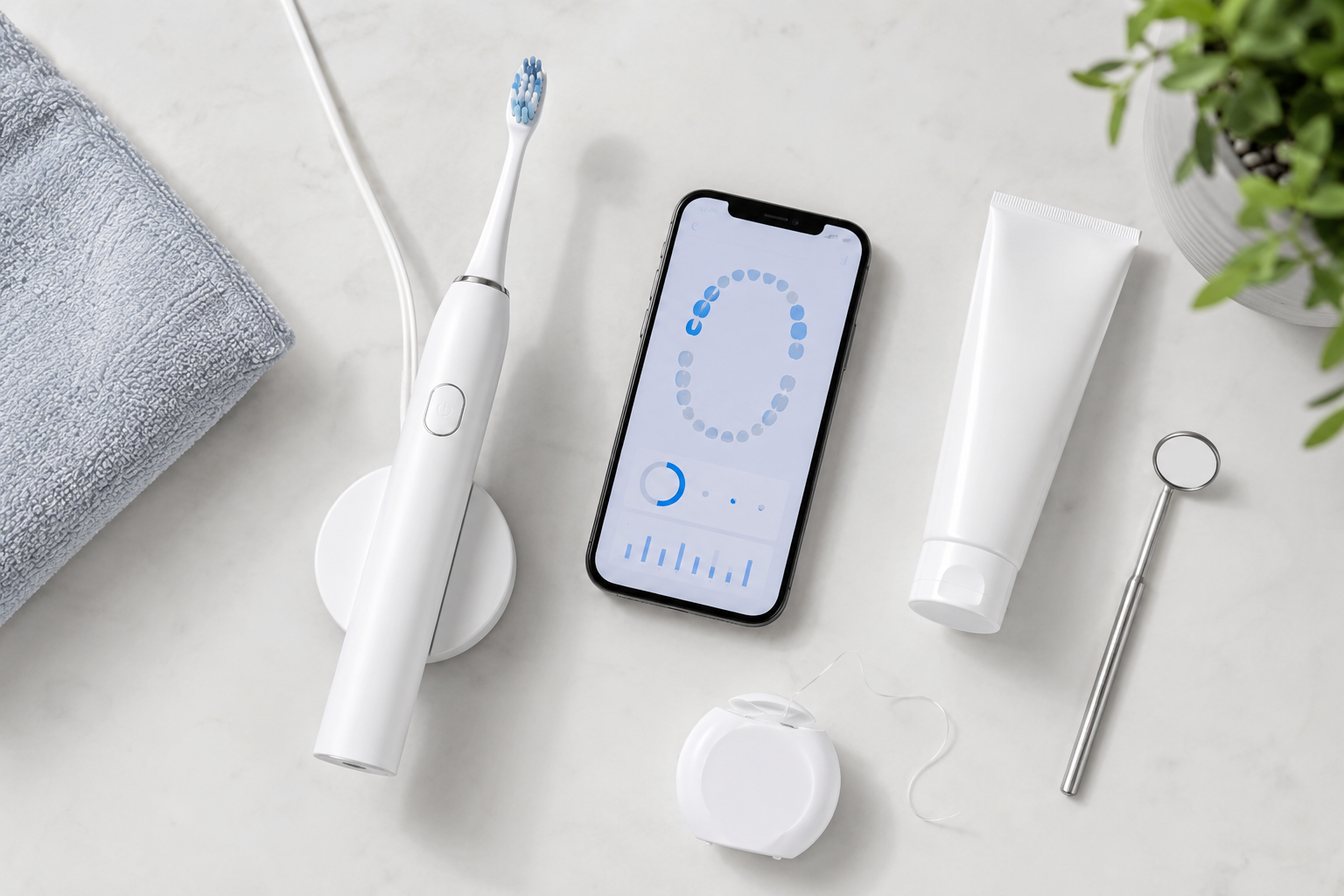
Electric toothbrushes have been around for years, but newer models are becoming increasingly sophisticated. Some connect to your phone, track where you brush, measure how much pressure you use, time each brushing session, and even provide personalized feedback.
If you have seen these high-tech toothbrushes online or at your local pharmacy, you may be wondering whether they actually improve your oral health or are simply another expensive gadget.
At Waterloo Dental Centre, we often remind patients that good brushing habits matter more than having the newest technology. However, smart toothbrushes can be useful for certain people, especially when their features encourage better brushing habits.
Here is what you should consider before buying one.
What Is a Smart Toothbrush?
A smart toothbrush is usually an electric toothbrush equipped with sensors and Bluetooth connectivity. Depending on the model, it may connect to an app on your smartphone and collect information about how you brush.
Common smart toothbrush features include:
- Two-minute brushing timers
- Pressure sensors
- Real-time brushing guidance
- Tracking of areas you may have missed
- Brushing history and progress reports
- Reminders to replace the brush head
- Different cleaning modes for sensitive teeth or gums
Some models also provide coaching to encourage you to spend enough time brushing every part of your mouth.
While these features can be helpful, they do not replace proper brushing technique or professional dental care.
Can a Smart Toothbrush Help You Brush Better?
Potentially, yes.
One of the biggest benefits of a smart toothbrush is the feedback it provides. Many people believe they are brushing thoroughly when they may actually miss certain areas or brush for less than the recommended 2 minutes.
A smart toothbrush can make you more aware of these habits.
Pressure sensors can be particularly useful. Brushing harder does not necessarily make teeth cleaner. In fact, repeatedly using too much pressure may irritate the gums and contribute to enamel wear over time.
A toothbrush that alerts you when you are pressing too hard can help you develop a gentler technique.
Timers can also be valuable, especially for children, teenagers, or adults who tend to rush through brushing.
Who May Benefit Most From a Smart Toothbrush?
You certainly do not need a smart toothbrush to maintain healthy teeth, but some people may find the technology especially helpful.
For example, it may be worth considering if you:
- Frequently brush for less than two minutes
- Tend to brush too aggressively
- Regularly miss certain areas of your mouth
- Enjoy tracking health and fitness information
- Need extra motivation to maintain a brushing routine
- Are helping a child or teenager improve their brushing habits
Some people enjoy technology and find interactive feedback motivating. If an app encourages you to brush more consistently and thoroughly, that can be a practical benefit.
Are There Any Drawbacks?
The biggest disadvantage is usually price.
A standard manual toothbrush costs only a few dollars, while premium smart toothbrushes can cost significantly more. Replacement brush heads may also be more expensive than ordinary toothbrushes.
There is also the question of how much technology you actually need.
If you already brush twice a day carefully for two minutes, use fluoride toothpaste, clean between your teeth, and maintain regular dental appointments, an expensive connected toothbrush may provide only a limited additional benefit.
Apps and Bluetooth features can also become something people stop using after the novelty wears off. Before spending more money, consider whether you will realistically use the tracking and coaching features long-term.
Manual, Electric, or Smart: Which Is Best?
There is no single toothbrush that is perfect for everyone.
A manual toothbrush can work extremely well when used correctly. Electric toothbrushes can make brushing easier because the brush head performs much of the cleaning motion for you. Smart toothbrushes add another layer by providing feedback about your habits.
The best toothbrush is ultimately one that you use properly and consistently.
Whichever type you choose, use a soft-bristled brush and gently clean all surfaces of your teeth for about two minutes, twice a day.
At Waterloo Dental Centre, your dental team can also help identify areas you commonly miss and recommend a brushing technique or toothbrush style that suits your individual needs.
Don’t Forget the Areas Your Toothbrush Cannot Reach
Even the smartest toothbrush cannot clean every part of your mouth.
The spaces between your teeth still require additional cleaning with dental floss, interdental brushes, or another method recommended by your dentist or dental hygienist.
Good daily oral care should generally include:
- Brushing twice daily with fluoride toothpaste
- Cleaning between your teeth regularly
- Limiting frequent sugary snacks and drinks
- Drinking plenty of water
- Replacing worn toothbrush heads or toothbrushes
- Attending regular dental examinations and professional cleanings
Technology can support these habits, but it cannot replace them.
Signs It’s Time to See Your Dentist
A toothbrush app may provide information about your brushing habits, but it cannot diagnose dental problems.
Schedule a dental examination if you notice persistent bleeding gums, tooth sensitivity, tooth pain, swollen or receding gums, persistent bad breath, loose teeth, or changes inside your mouth that do not go away.
Regular checkups are also important when you have no symptoms. Your dentist can identify small problems that may not yet cause discomfort and help you prevent more complex dental issues.
So, Should You Buy a Smart Toothbrush?
If you enjoy technology and think real-time feedback will improve your brushing habits, a smart toothbrush can be a worthwhile investment. Features such as pressure alerts, timers, and brushing-zone tracking can encourage better daily routines.
However, you do not need an expensive toothbrush to have a healthy smile. Consistent brushing, proper technique, cleaning between your teeth, a balanced diet, and preventive dental visits remain much more important than whether your toothbrush connects to your phone.
If you are unsure which toothbrush is right for you or would like advice on improving your home-care routine, call 519-883-0505 to book an appointment or contact Waterloo Dental Centre.
DISCLAIMER: The advice offered is intended to be informational only and generic in nature. It is in no way offering a definitive diagnosis or specific treatment recommendations for your particular situation. Any advice offered is no substitute for proper evaluation and care by a qualified dentist.