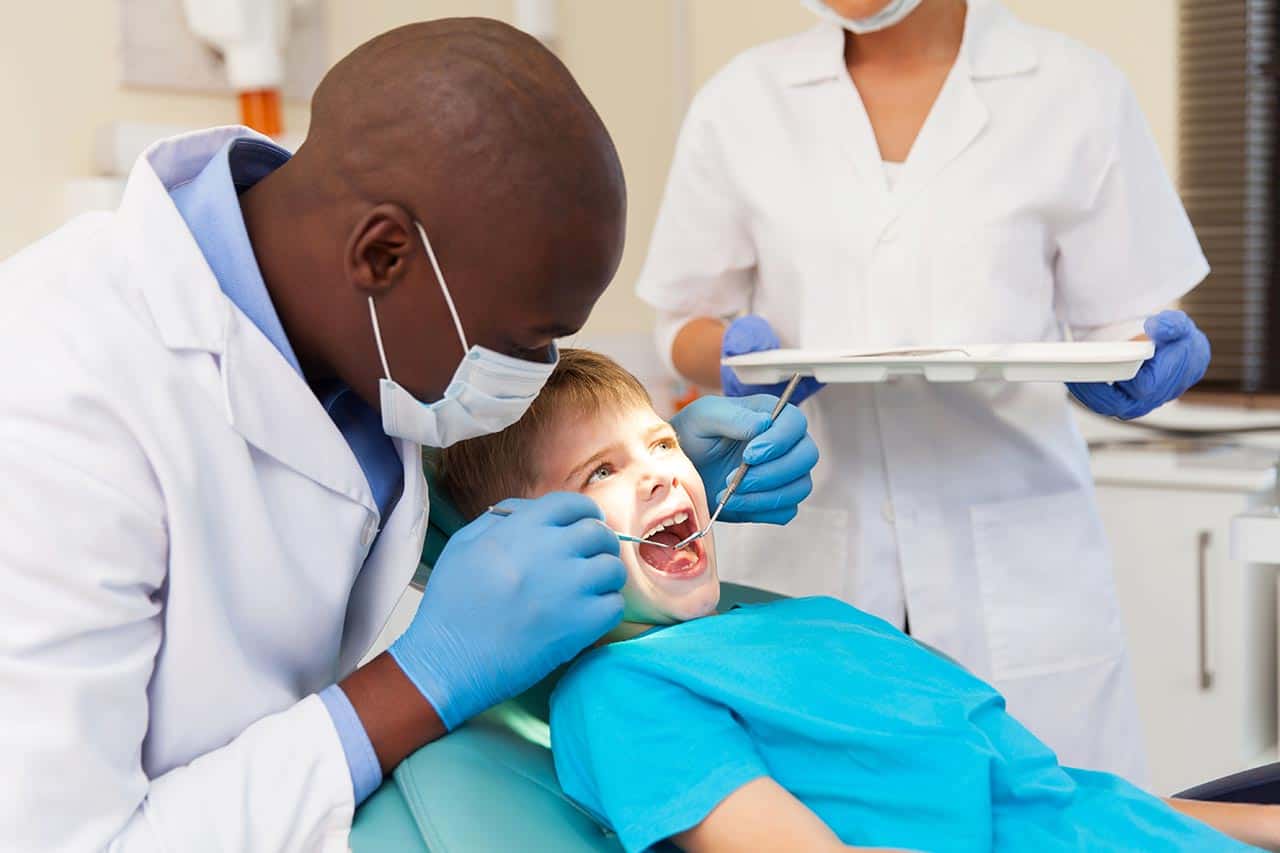
Emergency Dental Exams in Waterloo
Dental problems rarely pick a convenient moment. A molar that has been quietly sensitive for weeks suddenly throbs at night, a hockey puck catches a front tooth, or your face starts to swell after a weekend of ignoring a sore spot. An emergency dental exam is how we figure out what’s going on and what needs to happen first. At Waterloo Dental Centre in uptown Waterloo, we set aside time for urgent visits so patients in pain aren’t left waiting weeks for a regular appointment.
Below you’ll find what an emergency exam actually is, the steps you can take at home while you wait, how to tell a true emergency from something that can hold for a few days, and what to expect once you’re in the chair.
What an emergency exam is for
A regular checkup looks at your whole mouth on a calm day. An emergency exam is narrower. We focus on the problem that brought you in, find the cause, and get you out of pain or out of danger as quickly as we safely can. Sometimes that means treating the problem on the same visit. Other times it means a temporary fix today and a proper repair booked for later.
The exam is also about ruling things out. Pain that seems to come from a lower tooth might really be from the tooth above it. Swelling near the jaw could be a dental abscess, a blocked salivary gland or an inflamed wisdom tooth. Getting the diagnosis right the first time saves you from treatment you don’t need.
Signs you should be seen soon in Waterloo
Some problems can wait for a regular booking. These usually can’t:
- Tooth pain that keeps you up at night or doesn’t settle with over the counter pain relievers
- Swelling in the gums, cheek, jaw or under the chin
- A tooth that has been knocked out, pushed out of position or loosened by a blow
- A broken tooth with a sharp edge, or one where you can see pink or red tissue in the centre
- Bleeding that won’t stop after 15 to 20 minutes of firm pressure
- A bad taste or pus coming from around a tooth, often with a fever
When to go to the hospital instead
If swelling is making it hard to breathe or swallow, if your eye is starting to close from facial swelling, or if you’ve had a head injury with confusion, vomiting or loss of consciousness, go to the nearest emergency department or call 911. Those situations need a hospital first. We can take care of the teeth once you’re stable.
What to do before you get here
A few simple steps can make the wait easier and sometimes protect the tooth.
For pain
Rinse with warm salt water (about half a teaspoon of salt in a cup of water). Floss gently around the sore tooth, because a trapped popcorn husk or seed can cause surprising pain. Take an over the counter pain reliever as directed on the package, if it’s safe for you. Don’t put aspirin directly on the gum. It burns the tissue and doesn’t help the tooth.
For swelling
Hold a cold pack wrapped in a cloth against your cheek, 15 minutes on and 15 minutes off. Keep your head raised when you lie down. Avoid applying heat to a swollen face, since warmth can encourage an infection to spread.
For a knocked out adult tooth
Pick it up by the crown, not the root. If it’s dirty, rinse it briefly in milk or water without scrubbing. If you can, push it gently back into the socket and bite on a clean cloth. If that isn’t possible, keep it in a small container of milk or tucked inside your cheek and call us right away. Time matters a lot here. The first hour gives the best chance of saving it.
What happens during your visit
Most emergency exams follow the same basic order, though we adjust it to what you’re dealing with.
- A quick talk. We’ll ask when the problem started, what makes it better or worse, and about any medications, allergies or health conditions. If you’ve had an injury, we’ll ask how it happened.
- A look and a few tests. We check the area, tap lightly on teeth, test how they respond to cold and look for cracks, swelling or loose teeth.
- X-rays where needed. Many problems sit below the gumline or inside the tooth. A focused X-ray often shows an abscess, a fracture in the root or decay we can’t see from the outside.
- A clear explanation. We tell you what we found in plain language, what your options are, and what each one involves, including the option of doing nothing for now if that’s reasonable.
- Relief. Depending on the problem, that might be draining an abscess, placing a medicated temporary filling, smoothing a broken edge, splinting a loose tooth or starting a root canal.
We won’t push you into a big treatment plan in the middle of a painful day. The aim is to deal with the urgent part and give you time to think about the rest.
After your emergency exam
What you do afterwards depends on the treatment, and we’ll give you instructions before you leave. A few things apply to most people:
- Chew on the other side until any temporary filling or repair has been replaced with a permanent one
- Take prescribed antibiotics exactly as directed and finish the full course, even if the swelling goes down quickly
- Expect some tenderness for a couple of days after treatment, and call us if pain is getting worse instead of better
- Book the follow up visit we recommend. Temporary fixes are meant to buy time, not to last
If the freezing was used, wait until it wears off before eating anything hot or chewy. It’s very easy to bite your cheek or tongue without noticing.
Bring these with you
It helps to arrive with your health card, any dental insurance information, and a list of the medications you take, including blood thinners and supplements. If you’ve had dental work done elsewhere recently, tell us what was done and roughly when. And if a piece of tooth or a crown broke off, put it in a small bag and bring it along. Sometimes a crown can be cleaned and cemented back on, which is quicker and cheaper than making a new one.
Emergency exam questions
Do I need to be a patient of the clinic already?
No. We see new patients for emergencies as well as people who come to us regularly. Bring a list of your medications and your insurance details if you have them.
Is it worth coming in if the pain went away?
Often, yes. A tooth that stops hurting after days of severe pain sometimes means the nerve inside has died, and the infection can keep growing quietly. A quick exam tells you if you’re actually in the clear.
What if my child has the emergency?
We see children too. For a knocked out baby tooth, don’t try to put it back in, as that can damage the adult tooth developing underneath. Just call us and bring your child in so we can check the area.
Call Waterloo Dental Centre for an emergency exam
If something has gone wrong with a tooth, don’t wait for it to get worse. Call us, describe what’s happening, and we’ll tell you how soon you should come in and what to do in the meantime. Waterloo Dental Centre is at 258 King St N, Unit 7, in uptown Waterloo. Reach us at 519-883-0505.
Related treatments
Questions or ready to book? Contact our Waterloo office or call 519-883-0505.