
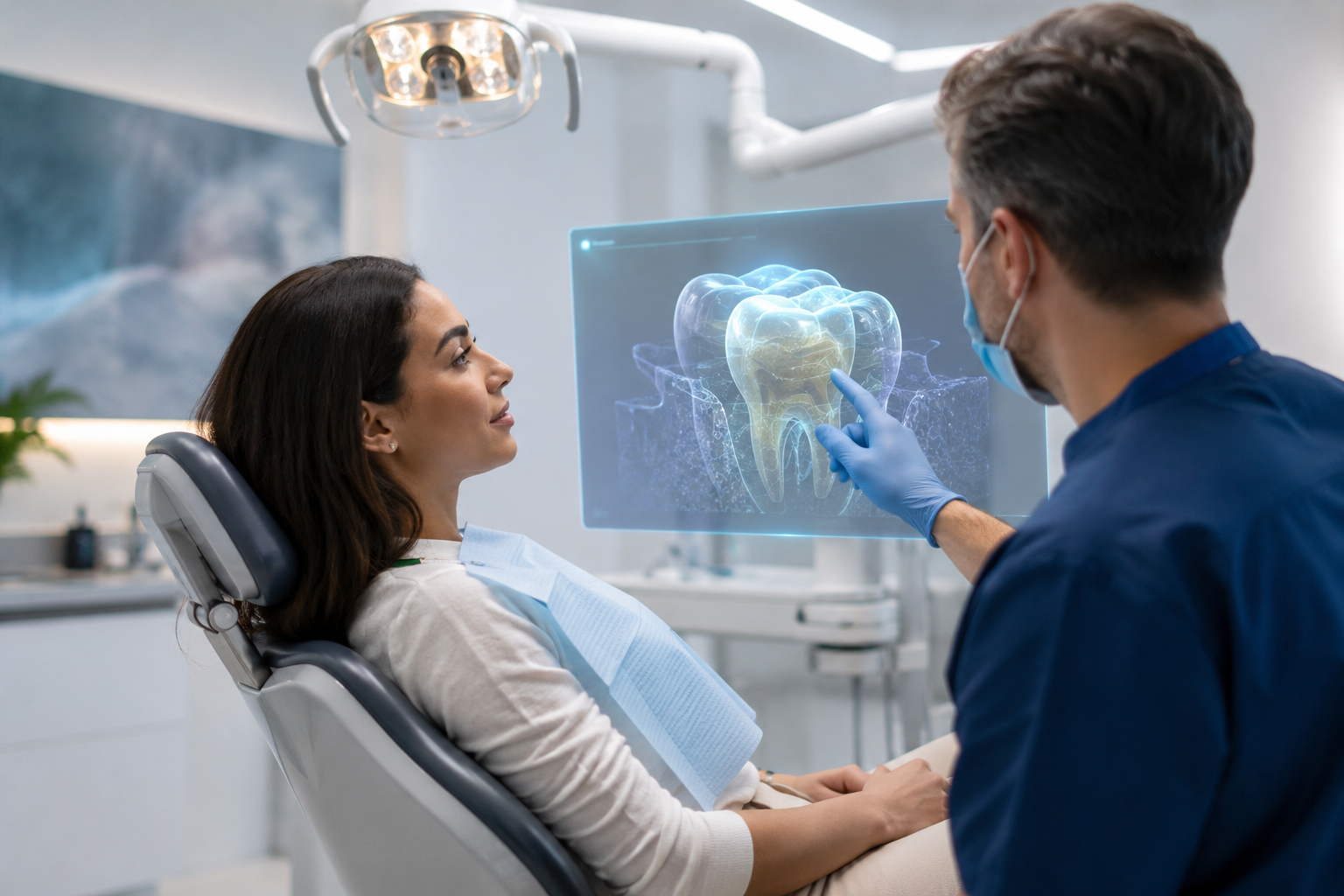
For generations, losing an adult tooth has meant replacing it with a bridge, denture, or dental implant. But what if dentists could one day help the body grow a new natural tooth instead? Tooth regeneration is moving beyond laboratory experiments and into early human research, creating understandable excitement among patients. At Waterloo Dental Centre, we also understand why people want to know whether this treatment could become a realistic option and, more importantly, when it might actually reach local dental clinics.
The science is promising, but tooth regeneration is not yet a routine dental treatment. Understanding where the research stands today can help patients separate genuine progress from headlines that make the technology sound closer than it really is.
What Does Tooth Regeneration Actually Mean?
Tooth regeneration can refer to several areas of dental research. Scientists are studying ways to repair damaged tooth structures, regenerate dental pulp, encourage bone growth, and potentially stimulate the body to develop an entirely new tooth.
One of the most closely watched approaches involves a protein called USAG-1, which helps regulate tooth development. Researchers have been investigating whether blocking this protein could reactivate dormant tooth-development mechanisms.
A Japanese biotechnology company, Toregem BioPharma, has developed an experimental antibody treatment called TRG035 that targets USAG-1. Its first human Phase I clinical trial has been completed, and development has progressed towards Phase II testing for people with congenital tooth agenesis, a condition in which permanent teeth never develop.
This is an important step, but it does not mean that a medication capable of regrowing anyone’s missing tooth is ready for dental offices.
Why Clinical Trials Take Time
Before a new treatment becomes widely available, researchers need to answer several important questions.
They must determine whether the treatment is safe, what dose to use, how reliably it works, and whether it causes unexpected side effects. Researchers also need to understand what kind of tooth develops, where it grows, and whether it functions normally.
Phase I trials mainly examine safety. Later clinical trials involve appropriate patients and investigate how well the treatment works.
In August 2026, Toregem announced that the Japanese regulator had completed its required investigation of the clinical trial notification for a Phase IIa study of TRG035. The company has said its current development focuses first on congenital tooth agenesis rather than ordinary tooth loss caused by decay, gum disease, or injury.
That distinction is important for anyone reading headlines about a “tooth-regrowing drug.”
Who Could Receive Tooth-Regeneration Treatment First?
If current research is successful, people born without several permanent teeth are likely to be among the first groups considered for treatment.
Congenital tooth agenesis can create significant challenges, particularly for younger patients whose jaws are still developing. Conventional options such as implants may need to wait until growth is complete.
Researchers hope to investigate whether similar biological mechanisms could help people who lose teeth later in life. Toregem has identified acquired tooth loss as a future area of development, but that application remains further away.
This means someone who loses a molar to severe decay today should not postpone proven treatment while waiting for regenerative dentistry to become available.
When Could Tooth Regeneration Reach Regular Dental Clinics?
There is currently no confirmed date when full tooth-regeneration treatment will become routinely available in Canada.
Even when a treatment performs well during early trials, additional research, regulatory review, manufacturing requirements, professional training, and long-term monitoring may be necessary before dentists can provide it routinely.
Availability may also happen gradually. A therapy could initially receive approval for a specific condition, such as congenital tooth agenesis, before researchers determine whether it suits people who have lost teeth from cavities, periodontal disease, accidents, or age-related dental problems.
For patients at Waterloo Dental Centre, the practical approach is to stay informed about advances in regenerative dentistry while continuing to use treatments that have been carefully studied and proven effective.
What Should You Do If You Have a Missing Tooth Now?
Leaving a missing tooth untreated can sometimes cause problems that become more difficult to manage later.
Depending on its location, a missing tooth may allow neighbouring teeth to shift. Bone in the area can also gradually change after tooth loss, and some people have difficulty chewing or speaking.
Current replacement options may include:
- Dental implants
- Fixed dental bridges
- Partial dentures
- Full dentures when multiple teeth are missing
The right treatment depends on your oral health, available bone, number and location of missing teeth, medical history, and personal preferences.
A dental examination and appropriate imaging can help determine which options are suitable.
Symptoms That Should Not Wait For Future Technology
Research into tooth regeneration is exciting, but prevention remains far easier than replacing or regenerating a badly damaged tooth.
Arrange a dental assessment if you notice persistent tooth pain, sensitivity that is becoming worse, a cracked or loose tooth, bleeding or swollen gums, swelling around a tooth, difficulty chewing, or a tooth that has recently been damaged.
Early treatment may allow a dentist to preserve a tooth that could otherwise become impossible to save.
Regular checkups also give your dental team an opportunity to identify cavities, gum problems, worn fillings, and other changes before they cause significant symptoms.
Protecting Your Natural Teeth Still Comes First
Future regenerative treatments may eventually change how dentistry manages missing teeth. For now, however, your natural teeth remain worth protecting.
Brush twice daily with fluoride toothpaste, clean between your teeth every day, limit sugary snacks and drinks, wear a mouthguard when appropriate, and keep up with regular dental exams and professional cleanings.
If you have a missing tooth, a damaged tooth, or questions about the best way to protect your smile, you don’t need to wait for tomorrow’s dental technology. Call 519-883-0505 to discuss your concerns, explore today’s treatment options, or book an appointment with Waterloo Dental Centre.
DISCLAIMER: The advice offered is intended to be informational only and generic in nature. It is in no way offering a definitive diagnosis or specific treatment recommendations for your particular situation. Any advice offered is no substitute for proper evaluation and care by a qualified dentist.